Maritime Expert Witness: What Shipowners and Lawyers Must Know
By Captain Georgios Giannakouris · 28 May 2026 · 5 min read
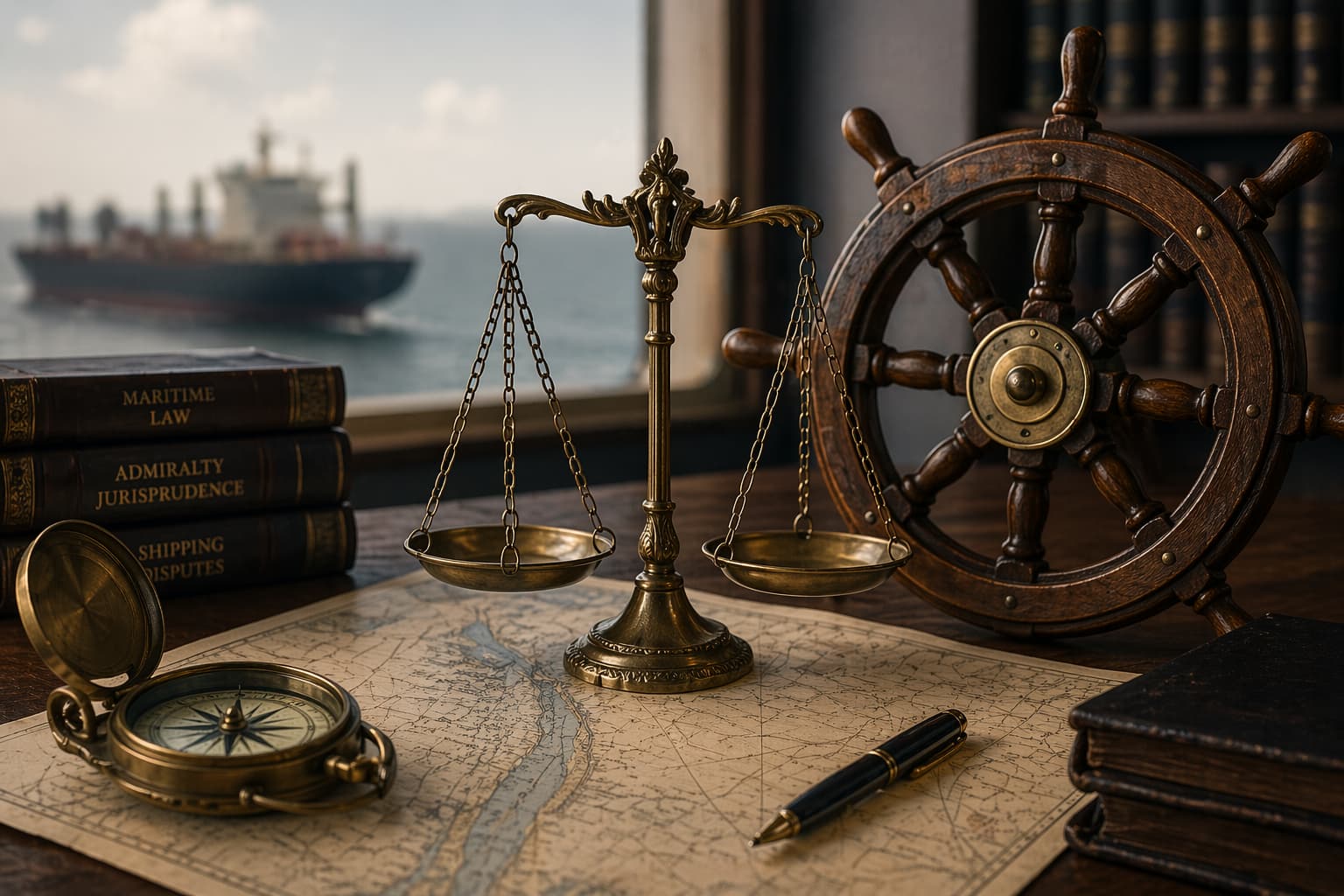
In complex maritime disputes, the difference between a defensible case and a failed claim often lies in one critical factor: the quality and credibility of the expert analysis.
A maritime expert witness is not simply a technical advisor. He is a decisive contributor in legal and arbitration proceedings, responsible for translating operational reality into structured, objective, and defensible conclusions.
The Role of a Maritime Expert Witness
A maritime expert witness provides independent technical opinion in matters such as:
- Marine casualties (groundings, collisions, machinery failures)
- Cargo damage and contamination claims
- Charterparty disputes and performance issues
- Operational risk and decision-making analysis
The expert's role is to assess facts, evaluate evidence, and provide conclusions that withstand scrutiny in court or arbitration.
Where Most Cases Fail
In many cases, disputes escalate not because of the incident itself, but due to poor handling of evidence and lack of structured analysis.
Common failures include:
- Incomplete or inconsistent documentation
- Lack of technical clarity in reports
- Failure to identify root cause
- Subjective or biased conclusions
- Weak linkage between facts and liability
These gaps can significantly weaken a party's position.
What Makes an Expert Opinion Defensible
A credible expert report must be:
- Independent — free from commercial influence
- Evidence-based — grounded in verified data and records
- Structured — clearly linking facts, analysis, and conclusions
- Technically sound — aligned with maritime practices and regulations
- Legally usable — suitable for arbitration and litigation
"The ability to connect operational facts with legal exposure is what defines a high-level maritime expert witness."
The Importance of Command-Level Experience
In maritime disputes, theoretical knowledge is not enough.
Command-level experience provides:
- Real understanding of onboard decision-making
- Insight into human factors and operational pressures
- Practical evaluation of what is reasonable and expected at sea
This allows the expert to assess incidents not only technically, but realistically.
Early Expert Involvement: A Strategic Advantage
Engaging a maritime expert at an early stage can significantly improve case outcomes.
Early involvement allows:
- Proper evidence preservation
- Identification of critical technical issues
- Stronger positioning before claims escalate
- Support in communication with insurers and legal teams
Delays in expert engagement often lead to loss of key evidence and weaker arguments.
Conclusion
Maritime disputes require more than technical opinion. They require structured, objective, and defensible analysis grounded in real operational experience.
"The role of the maritime expert witness is to bridge the gap between what happened at sea and how it is interpreted in a legal context."
Disclaimer: This publication is provided for general information only and reflects high-level professional observations. It does not constitute legal advice, expert evidence, or matter-specific professional opinion, and should not be relied upon without formal instruction, full document review, and case-specific assessment.